

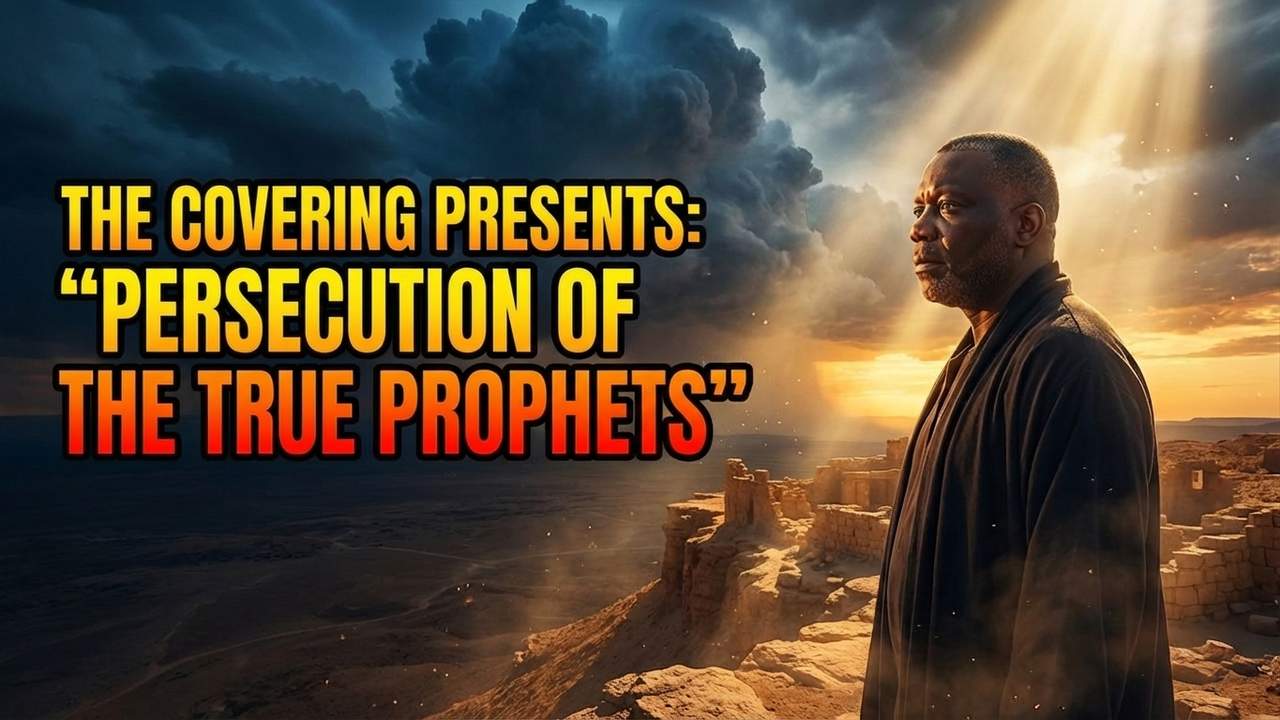
Have you ever felt like you were standing in the middle of a storm, holding a truth that no one wanted to hear? If you’ve ever stepped into a prophetic calling or simply tried to stand for righteousness in a world that seems to prefer the shadows, you know that the path of a messenger is rarely paved with gold. More often than not, it is paved with resistance, misunderstanding, and outright injustice.
In a recent deep-dive Bible study, we explored the heavy reality of injustice and the persecution of the prophets. From the Old Testament accounts of Jeremiah and Isaiah to the ultimate sacrifice of Jesus Christ, there is a consistent pattern: God’s messengers are often despised by the very people they are sent to save. But why does God allow this? And what does it mean for those of us trying to live out our faith today?
The Physical and Emotional Toll of Truth
To understand the weight of the prophetic office, we have to look at the life of Jeremiah. In Jeremiah 20:1-2, we see a stark example of what happens when truth meets religious tradition. When Pashhur the priest heard Jeremiah prophesying, he didn’t just disagree with him—he had him beaten and put in stocks at the upper gate of Benjamin.
Imagine the scene: a man of God, speaking exactly what he was commanded to say, being physically punished and publicly humiliated by a religious leader. This wasn’t a pagan king attacking him; it was a priest. This highlights a painful reality that many “true” prophetic voices face today: persecution often comes from within the house of God.
During our discussion, a vital question was raised: Does it feel like true prophets deal with unjust hammers while false voices get a pass? The consensus was a resounding “yes.” In an age where spiritual activity is heightened, many voices are operating without training or foundational understanding. Yet, those who carry a word of correction or warning are often the first to be silenced.
The Suffering Servant: Misunderstood Missions
We cannot talk about the persecution of prophets without looking at the ultimate Prophet: Jesus Christ. Isaiah 53:3 describes the “suffering servant” as one who was “despised and rejected by mankind, a man of suffering and familiar with pain.”
From a Hebraic mindset at the time, the people were looking for a military conqueror. They wanted someone to overthrow the Roman Empire and restore their political power. When Jesus arrived to set them free from their sins, rather than their political oppressors, they couldn’t wrap their minds around it. Because he didn’t fit their mold, they held Him in low esteem.
This lack of understanding led to one of the most tragic moments in history. Even when Pilate recognized Jesus’ innocence, the crowd demanded a murderer, Barabbas, instead. They went so far as to call a curse upon themselves and their children. It serves as a haunting reminder that when we reject the truth because it doesn’t fit our personal agenda, we invite consequences that can last for generations.
The War Against the Prophetic Voice
The spirit of Jezebel has long been the primary antagonist to the prophetic voice. In 1 Kings 18:4, we read about Obadiah risking his life to hide 100 prophets in caves because Jezebel was systematically assassinating them.
What is the goal of this spirit? It is to assassinate or control. If the enemy cannot kill the messenger, he will attempt to manipulate the message. This is why it is so critical for those with a prophetic calling to remain hidden in God, much like those prophets in the caves, until it is time for their voice to be heard. The battle isn’t just against people; it’s against a kingdom of darkness that wants to silence the truth at any cost.
Why Speak to a People Who Won’t Listen?
One of the most challenging aspects of being a messenger is found in Ezekiel 2:3-5. God tells Ezekiel that He is sending him to a “rebellious nation” and explicitly warns him that they will not listen. This raises a profound question: Why would a merciful God insist on delivering a word of warning to people He knows will reject it?
The answer lies in the justice of God. There must be a record in heaven.
-
For the Record: God is a just Judge. He never brings judgment without first providing a warning.
-
The Example of Noah: Noah preached for 500 years while building the ark. Even though only his family entered, the message was preached so that no one could say they didn’t hear.
-
The Opportunity to Choose: Because God is not a God of bondage, He gives every individual the opportunity to choose. Even if He knows the choice will be wrong, the invitation must be extended.
God insists that the gospel be preached to a rebellious world because His mercy demands that everyone has a chance to respond. Whether they accept it or not, the word serves as a witness.
The Necessity of Choice: The Garden and Free Will
This theme of choice takes us all the way back to the Garden of Eden. People often ask, “Why did God allow Satan in the garden?” The answer is simple yet profound: Free will.
Love is not real if it is forced. For Adam and Eve to truly love and follow God, they had to have the option to deny Him. Satan’s goal wasn’t just a simple act of disobedience; he was looking for a way to affect the very DNA of humanity. Since Adam and Eve had no parents, they had no generational curses. Satan had to find a way to “instill” a deviation into the human bloodline through their choice.
God allowed the opposition because He values our freedom. He did not call us to be free just so we could be in bondage to human beings representing Him. He called us to a relationship based on a conscious, daily choice to follow the Truth.
Living as a “Living Epistle” in a Modern World
Persecution doesn’t always look like stones and sticks in the 21st century. Sometimes, it looks like being ganged up on in a corporate office or being excluded from social circles because you refuse to compromise your integrity.
In Matthew 5:10-12, Jesus teaches that those who are persecuted for righteousness are blessed. Our study group shared real-life examples of this:
-
The Workplace: Being targeted by coworkers because you refuse to participate in “slack” behavior or office gossip.
-
Social Circles: Being mocked or told you “think you’re better than everyone” because you choose not to engage in substance abuse or excessive partying.
-
Deep Revelation: The unique isolation that comes when God gives you a deep spiritual insight that others aren’t ready to hear yet.
Key Takeaways for the Modern Messenger
-
Expect Resistance: If the world hated Jesus, it will likely struggle with the truth you carry. Don’t be surprised by the fire.
-
Value the “Record”: Your job is to deliver the message, not to force the result. If you speak what God says, you have fulfilled your duty before the court of heaven.
-
Guard Your DNA: Just as Satan sought to defile the original plan in Eden, he seeks to defile your purpose today. Stay rooted in the Word to protect your spiritual legacy.
-
Find Your “Cave”: Like the prophets hidden by Obadiah, find a community of believers who will nourish and protect you during seasons of intense spiritual warfare.
Conclusion
Being a messenger of God is a high calling, but it is not a comfortable one. Whether you are dealing with the injustice of a “Pashhur” in your life or the rebellion of an “Ezekiel-style” audience, remember that you are in good company. The prophets of old, and Christ Himself, walked this same path.
The goal is not to be popular; the goal is to be faithful. When you stand for truth, you aren’t just speaking words—you are participating in a divine process of justice and mercy. Hold your head high, stay in the spirit, and remember that your reward is not found in the approval of men, but in the “well done” of the Father. Amen.
Watch the full video: https://www.youtube.com/watch?v=5KF1CREYNDU
About Author




 Deliverance Chronicles Global Networks
