
The Unseen Battle: Identifying Spiritual Deception in the Modern Church. Have you ever considered that the world we inhabit is governed by a realm we cannot see? While we focus on our daily routines, a spiritual battle is unfolding behind the scenes. In a world increasingly open to diverse spiritual practices, the line between divine revelation and occult manipulation can sometimes become blurred. It is a sobering reality that even within the walls of the church, spiritual deception can take root. The concept of witches and warlocks in the pulpit might sound like the plot of a supernatural thriller, but for those who understand the spiritual realm, it is a matter of profound concern. Witchcraft is not always about dark rituals or cinematic tropes; often, it manifests as manipulation, control, and the distortion of truth. To protect our spiritual walk, we must develop a sharp sense of discernment and an unwavering commitment to the Word of God.

Understanding the Nature of Witchcraft. Witchcraft, in its simplest biblical definition, is an attempt to access or manipulate the supernatural realm through illegal means. It is the pursuit of power or knowledge outside of the authority of the Holy Spirit. While some forms are overt—such as ritual sacrifices—many are subtle and even psychological. The speaker notes that witchcraft can take several forms: Ritualistic Practices: Traditional occult ceremonies and sacrifices. Spoken Word Curses: Using the power of the tongue to release negativity or “arrows” against others. Manipulation: Bending someone else’s will to benefit yourself rather than serving their best interests.Gossip: When we speak ill of others, we often unwittingly provide “ammunition” for the enemy to use against them. Interestingly, the speaker points out that Christianity is often the primary target for these operations. Why? Because it holds the truth. The enemy does not need to infiltrate religions that do not lead to salvation; his primary goal is to derail those who are on the path to God. By introducing a “modicum of truth” mixed with a lie, the enemy creates a powerful deception that can lead even the faithful astray. The Intelligence of Deception.
A common mistake many believers make is underestimating the enemy. We often hear that “the devil is stupid,” but the scriptures suggest otherwise. The Bible describes Satan as a being capable of transforming himself into an angel of light. He is immensely intelligent and has successfully deceived much of the world. If the enemy showed up with horns and a red cape, no one would listen to him. Instead, he uses deception and mimicry. He took Jesus to a high mountain and showed Him the kingdoms of the world, offering them in exchange for worship. This same intelligence is at work today, using “two truths and a lie” to gain a foothold in our lives and our congregations. We must be vigilant, knowing that the enemy is a master strategist who seeks to manipulate our outcomes through spells, rituals, and hidden knowledge. The Danger of “Illegal” Spiritual Access.
The speaker emphasizes that just because something “works” or provides accurate information doesn’t mean it is from God. A broken clock is right twice a day. The issue is not the accuracy of the information, but the source and the method. Whether it is a psychic, a medium, or someone practicing divination, seeking hidden knowledge through these channels is a direct violation of biblical principles. Biblical Foundations and Warnings. To understand how to navigate these spiritual waters, we must look at what the scriptures say about witchcraft and sorcery. The Bible is not silent on these matters; it provides clear warnings and historical examples of the consequences of occult involvement.
Deuteronomy 18:10-12: This passage strictly forbids divination, sorcery, witchcraft, and consulting with mediums or necromancers. These practices are described as an abomination to the Lord.1 Samuel 28: This tells the story of King Saul and the Witch of Endor. In a moment of desperation, Saul sought out a medium to contact the deceased prophet Samuel, demonstrating the tragic consequences of seeking spiritual guidance outside of God’s will. Galatians 5:19-21: The Apostle Paul lists sorcery (or witchcraft) among the “works of the flesh,” warning that those who practice such things will not inherit the kingdom of God.Revelation 21:8: This verse includes sorcerers among those who are excluded from the New Jerusalem, highlighting the gravity of these practices in the eyes of God. We also see the example of Simon the Sorcerer in the New Testament, who attempted to buy the power of the Holy Spirit with money. This serves as a reminder that the gifts of God cannot be bought, manipulated, or controlled by human or demonic means. Cultural Witchcraft and the Power of the Tongue. One of the most challenging aspects of this teaching is the realization that some people practice witchcraft “unbeknownst” to themselves.
This can happen through cultural traditions or even the misuse of scripture. Using the Bible as a book of “chants” or “spells” rather than a living word to be obeyed is a form of spiritual manipulation. We must be careful how we handle the sacred text, ensuring we are seeking the Author and not just the power. Furthermore, the speaker warns about the prophetic nature of our words. Many believers do not realize they have a prophetic calling, and when they use their mouths to gossip or criticize, they are releasing spiritual “arrows” that the enemy can pick up and use. “If you ain’t got nothing to do, keep your mouth shut,” is more than just good advice; it is a spiritual safeguard. Actionable Insights for Spiritual DiscernmentHow can we protect ourselves and our churches from these influences? Here are key takeaways from the teaching: Prioritize Revelation over Experience: While experiential knowledge is valuable, revelation from the Holy Spirit is the ultimate guide. Always weigh experiences against the written Word.
Identify Manipulation: If a leader or a fellow believer is bending your will for their own benefit rather than yours, recognize it as a form of witchcraft and set healthy boundaries. Guard Your Speech: Be mindful of how you speak about others. Avoid gossip and negative proclamations that could be used as spiritual weapons. Know the Source: Before accepting “hidden knowledge” or a “word,” ask yourself: What is the source? Does this align with the character of Christ? Stand Your Ground: You do not have to entertain people or spirits that mean you harm. Remember that “Greater is He who is in you than he who is in the world.”Conclusion: Walking in Righteousness. The reality of spiritual warfare can be daunting, but we do not face it alone. We are qualified as God’s beloved not because of our own strength, but because of the righteousness of Christ. As the speaker noted, “He who knew no sin became sin for us that we would be the righteousness of God in Him.”
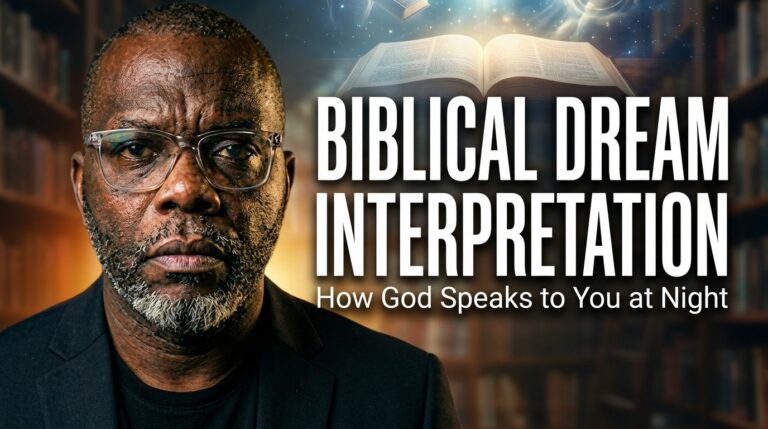
It is from this position of righteousness that we can challenge the kingdom of darkness. We must be a people who are not destroyed for a lack of knowledge, but rather delivered by knowledge. By staying grounded in the scriptures and remaining sensitive to the Holy Spirit, we can see through the deceptions of the enemy and walk in the true power of God. Want to dive deeper into this teaching and learn more about spiritual warfare? Watch the full video to gain a complete understanding of how to protect your home and your ministry from spiritual deception.
Watch the full video: https://www.youtube.com/watch?v=2X-E0OgVLpo Watch the full video:
About Author


 Deliverance Chronicles Global Networks
